


 10-11 / 11
11
10
E A L H A N D B O O K
E n g l i s h a s a n A d d i t i o n a l L a n g u a g e |
E A L H A N D B O O K
E n g l i s h a s a n A d d i t i o n a l L a n g u a g e |
The Mother Tongue Program supports students who cannot be provided with formal tuition in their mother
tongue during school hours. Research shows that the development of the student’s mother tongue or first
language (usually the language spoken at home) is critical for their cognitive development; children who
have not fully developed a first language can experience language-based cognitive difficulties later on. GWA
recognizes how important mother tongue is and is working to support the native languages of students.
Students may be fluent in their mother tongue however it is essential that they are also provided with the
opportunity to become literate in their first language. The level of competence a student can achieve in
their second language is directly dependent on the extent to which their literacy in the mother tongue has
been developed. The student’s sense of cultural and personal identity, and their self-esteem, is also greatly
strengthened by mother tongue instruction.
GWA organises Mother Tongue classes outside the school curriculum using school facilities at the end of a
regular school day. The lessons are taught by parents, CAS students or teachers with
whom the parents enter into an agreement about participation. The Mother Tongue
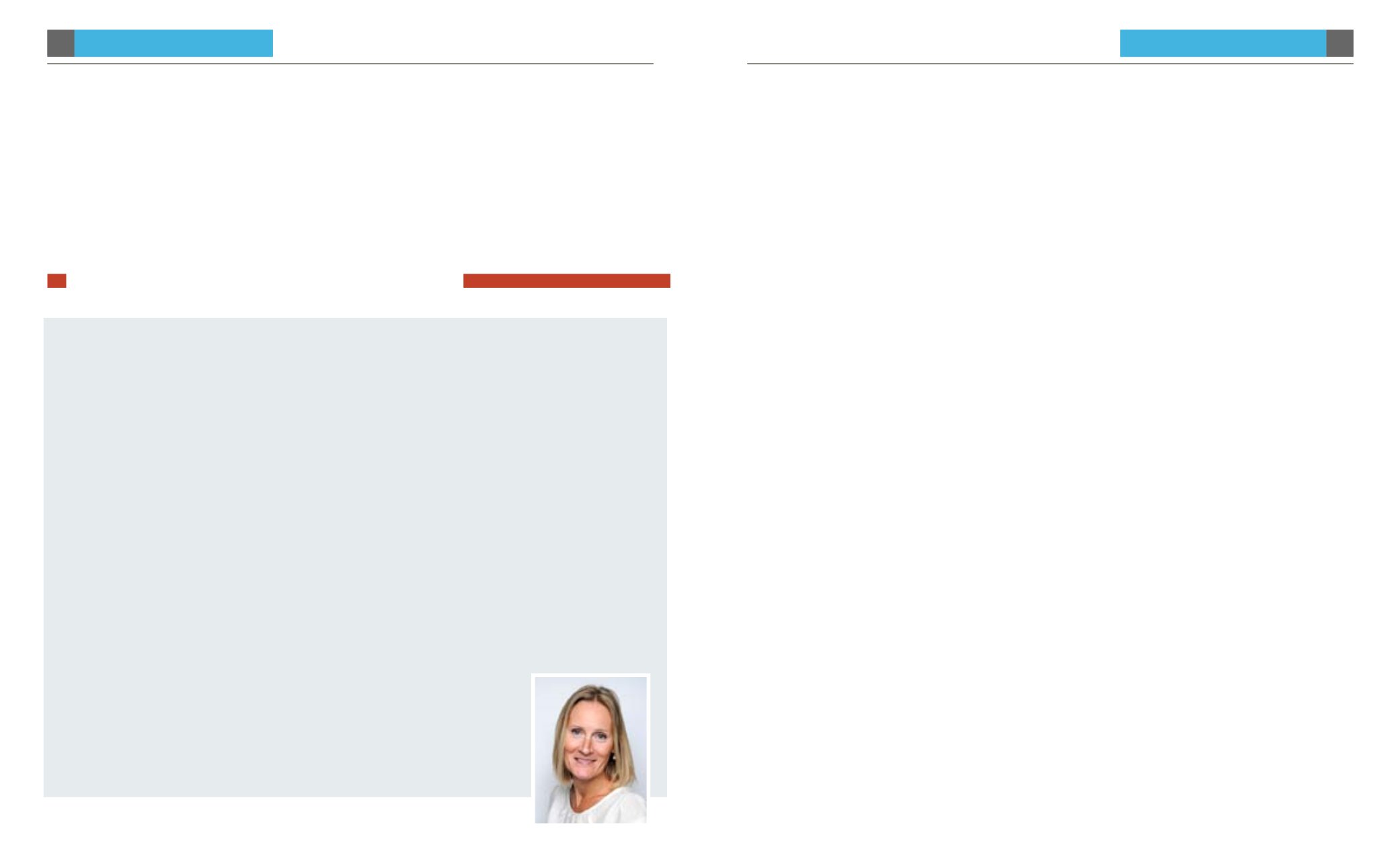
Coordinator (Melody Fisher) also assists in finding suitable teachers for these courses.
There are currently mother tongue programs or after school actvities for a number of
languages including Italian, Dutch, French, Spanish and Arabic.
GWA’ s MO T H E R
T ONG U E P R O G RAM
RECOGNIZING CULTURE AND HOME LANGUAGE